(646) 452-4449


Why Improvisation isn’t Just for Jazz Pianists
Introduction
When people hear the word improvisation, they often think immediately of jazz or modern musicians inventing melodies on the spot, far from the printed page. Classical music, by contrast, is frequently imagined as fixed and unchanging, bound tightly to the notes written by the composer. Yet this distinction is a modern one. For much of classical music history, improvisation was not only expected, but essential to being a skilled pianist.
In this month’s blog, written by Amy Aguirre, at Golden Key Piano School we explore how improvisation played a central role in classical piano traditions, particularly in the music of Frédéric Chopin. Understanding this history helps young pianists see creativity not as something separate from classical training, but as a skill deeply woven into it.
Chopin at the Piano: An Improviser First
Frédéric Chopin (1810 – 1849) is often associated with beautifully notated scores and refined poetic expression, but contemporaries consistently described him as a gifted improviser. In Parisian salons, Chopin was known to improvise preludes, introductions, and variations before or between pieces, shaping music spontaneously at the keyboard. His students reported that he encouraged flexibility, personal expression, and imaginative ornamentation rather than rigid repetition of a score.
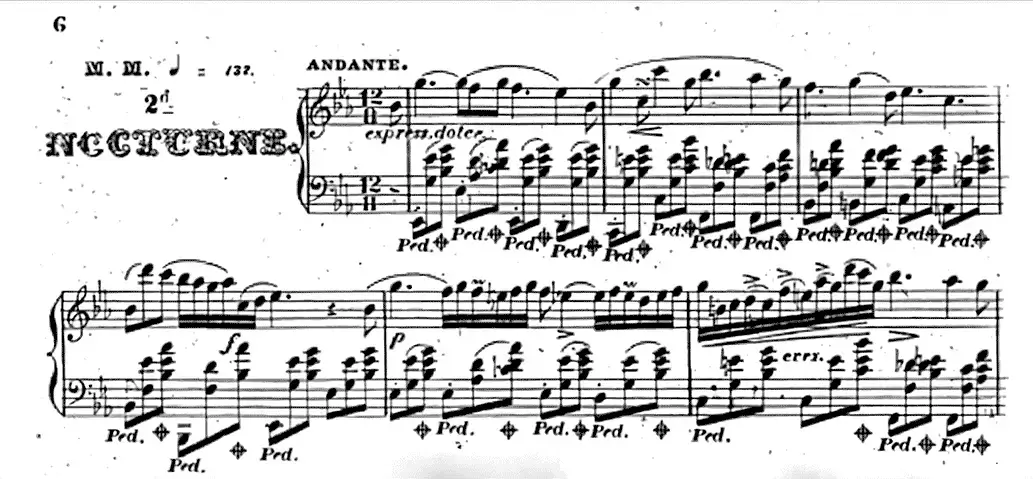
Many of Chopin’s written works reflect this improvisatory spirit. His preludes, nocturnes, and mazurkas often resemble musical thoughts captured in the moment, shaped by rubato, subtle timing, and expressive nuance. Rather than treating the written notes as a strict script, Chopin viewed them as a guide, one that required the performer’s ear, intuition, and creativity to fully come alive.
Improvisation in the Classical Tradition
Chopin was far from alone. Improvisation was a fundamental skill for earlier composers such as Johann Sebastian Bach, Wolfgang Amadeus Mozart, and Ludwig van Beethoven. Keyboardists were expected to improvise preludes, realize harmonies from figured bass (also known as basso continuo), embellish melodies, and invent cadenzas during concertos. To improvise was not a separate genre, but a core part of musical literacy.
Over time, as music education became more institutionalized in the late nineteenth and twentieth centuries, performance practice shifted toward strict adherence to the printed score. While this brought many benefits, it also led to the misconception that creativity belongs only to jazz or contemporary styles. In reality, classical improvisation simply takes different forms like shaping a phrase, adjusting timing, adding ornamentation, or creating short musical ideas at the piano.
Why Improvisation Matters for Piano Students Today
For today’s piano students, improvisation is not about abandoning classical music, but about understanding it more deeply. Improvising helps students listen more carefully, recognize patterns, and develop confidence at the keyboard. When students explore chords, invent short melodies, or experiment with musical ideas, they strengthen the same skills needed to interpret Chopin, Mozart, or Bach with expression and clarity.
By reconnecting classical piano study with its improvisatory roots, students learn that creativity and discipline work together. Improvisation encourages curiosity, flexibility, and joy which are qualities that support confident note reading, expressive playing, and lifelong musical engagement.
References
Brown, M. J. E. (1999). Chopin: An Index of His Works in Chronological Order. Oxford University Press.
Rosen, C. (1995). The Romantic Generation. Harvard University Press. Samson, J. (1985). Chopin: The Four Ballades. Cambridge University Press.
Taruskin, R. (2005). The Oxford History of Western Music, Vol. 2. Oxford University Press.