(646) 452-4449


The History of the Piano Recital & Its Impacts Today
Introduction
Today, the idea of attending a solo piano recital feels completely natural. A single pianist walks onto the stage, bows, and performs an entire program alone. The audience listens in focused silence, applauds between pieces, and experiences the music as a unified artistic event. Yet this format is relatively new in the history of classical music.
In this month’s blog, written by Amelia Quintana at Golden Key Piano School, we explore how the solo piano recital was born and why it continues to play such an important role in a student’s musical growth, especially for beginners. Understanding this history helps students and families see recitals not simply as performances, but as meaningful milestones in a pianist’s development.
Before the Solo Recital
In the eighteenth and early nineteenth centuries, concerts looked very different from what we expect today. Programs were often long and varied, featuring multiple performers in a single evening. Audiences might hear chamber music, orchestral works, and solo pieces all mixed together. Concerts were also more social events than formal listening experiences. Audience members conversed freely, and the atmosphere was lively rather than reverent. The idea of one pianist commanding the stage for a full, carefully planned program had not yet taken hold.
Franz Liszt and a New Concert Tradition
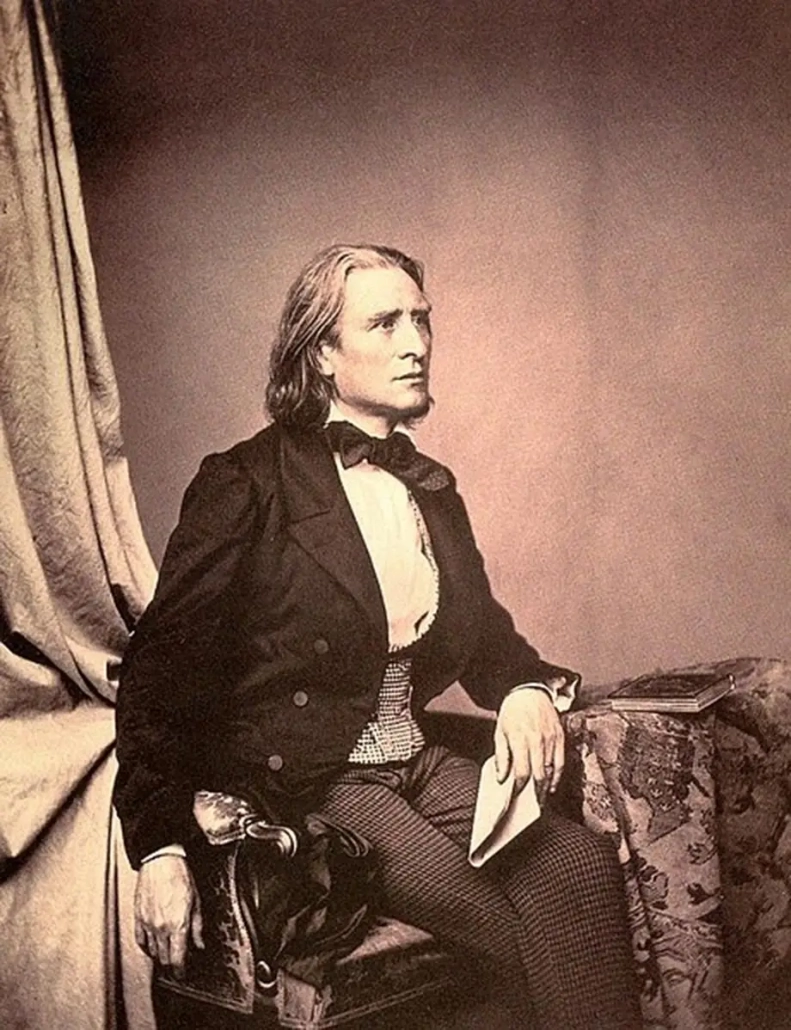
That changed in the nineteenth century, largely through the influence of Franz Liszt. A charismatic virtuoso, Liszt captivated audiences with extraordinary technique and dramatic flair. In 1840, he began presenting concerts featuring himself alone at the piano for the entire evening. He even coined the term “recital” to describe this new format. Liszt reimagined the concert experience. He positioned the piano sideways so the audience could see his hands and profile, elevating the performer’s presence. Programs were thoughtfully structured to showcase a range of moods and styles. The recital became not only a musical event, but an artistic statement. Later pianists such as Clara Schumann further shaped this tradition by presenting serious, cohesive programs that helped define the standard classical repertoire. Over time, the solo recital became a symbol of independence, mastery, and personal expression.
How the Recital Shapes a Pianist
The rise of the solo recital changed more than concert programming. It transformed how pianists prepare. Performing alone requires focused and consistent practice, strong memorization, emotional preparation, and stage awareness and confidence. Unlike playing casually at home, a recital asks the student to share music intentionally with others. It develops responsibility and resilience. A performer must continue even if nerves appear or small mistakes happen. For advanced pianists, this builds artistry and stamina.
Why Recitals Benefit Beginners
For beginner students, recitals are especially powerful learning experiences. First, they provide a clear and motivating goal. Knowing that a performance is approaching encourages steady practice and helps students understand the purpose behind their weekly lessons. Second, recitals build confidence from the very beginning. When a young pianist successfully performs even a short piece, they experience accomplishment and pride. That positive reinforcement strengthens motivation and self-belief. Third, performing early normalizes the experience of being on stage. Rather than waiting years to face performance nerves, beginners gradually become comfortable with the process. Walking to the piano, bowing, focusing, and finishing with poise become familiar routines rather than intimidating unknowns. Finally, recitals foster community. Beginners see older students perform and begin to imagine their own musical growth. They learn that progress is a journey, and each level of playing is valued and celebrated.
A Living Tradition
When students participate in a recital at Golden Key Piano School, they are joining a tradition that began nearly two centuries ago. Though their stage may be smaller than the grand halls of nineteenth-century Europe, the purpose is deeply connected to that history: to share music with intention, preparation, and heart. The recital is not about perfection. It is about growth, courage, and communication. From the bold innovations of Liszt to the thoughtful programs of Clara Schumann, the solo recital has always been about more than displaying skill. It is about connecting performers and audiences in a meaningful moment. For beginners especially, that first recital is not simply a performance. It is the beginning of a lifelong relationship with music, one built on confidence, discipline, and joy.
Hamilton, K. (2008). After the Golden Age: Romantic Pianism and Modern Performance. Oxford University Press.
Saffle, M. (1994). Franz Liszt: A Research and Information Guide. Routledge.