(646) 452-4449


The Lasting Impact of Starting Music at a Young Age
Introduction
When children begin learning music at a young age, the immediate benefits are easy to see. They learn songs, develop basic skills, and experience the excitement of playing an instrument for the first time. However, the true value of early music education extends far beyond those first lessons.
In this month’s blog, written by Amelia Quintana at Manhattan Piano Academy, we explore the long-term benefits of starting music at a young age and how early lessons shape a child’s growth over time. Understanding these lasting impacts helps students and families see music education not just as an activity, but as a foundation for confidence, discipline, and lifelong learning.
Building Discipline and Patience
One of the most important long-term benefits of learning music is the development of discipline. From the very beginning, students are introduced to the idea of regular practice. Even short, consistent sessions teach children that progress comes through effort over time.
Unlike activities that offer immediate results, music requires patience. A piece is learned step by step, often over days or weeks. As students continue their musical journey, they become more comfortable with this process. They begin to understand that improvement is gradual, and that persistence leads to success.
These habits often extend beyond music. Students who learn to practice regularly are better prepared to approach challenges in school and other areas of life with focus and determination.
Growing Confidence Over Time
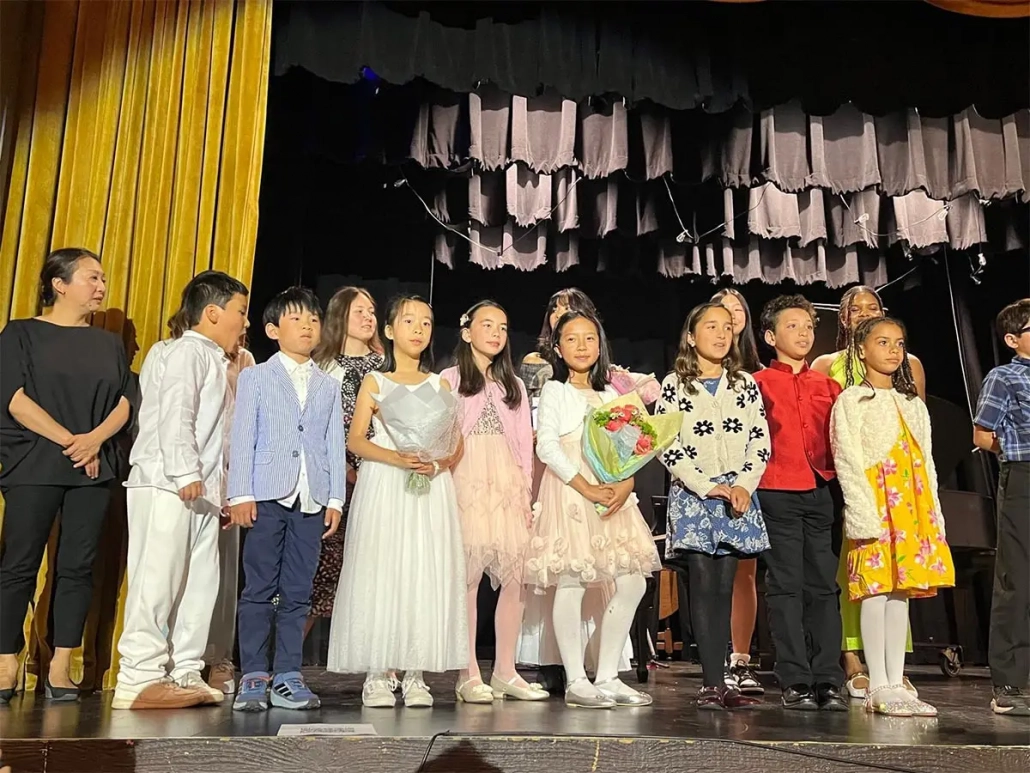
Confidence in music does not happen all at once. It builds gradually through small achievements like learning a new piece, mastering a difficult section, or performing for others.
Starting at a young age allows students to experience these moments early and often. Over time, these repeated successes create a strong sense of self-belief. Students learn to trust their ability to learn, improve, and perform.
This confidence often carries into other areas, such as speaking in front of a class, trying new activities, or taking on leadership roles. Music gives students a safe space to grow and succeed, which strengthens their overall sense of capability.
Developing Focus and Resilience
Learning music also helps students develop focus. Practicing an instrument requires attention to detail, from reading notes to coordinating hands and maintaining rhythm. Over time, this strengthens concentration and the ability to stay engaged with a task.
Equally important is resilience. Mistakes are a natural part of learning music, and students quickly discover that errors are not failures, but opportunities to improve. By working through challenges, they develop perseverance and a more positive approach to problem-solving.
These skills become increasingly valuable as students grow older and face more complex academic and personal challenges.
Encouraging a Lifelong Connection to Music
Students who begin music early are more likely to develop a lasting relationship with it. What starts as simple lessons can grow into a meaningful and enjoyable part of life.
Not every student will pursue music at an advanced level, but many continue playing for personal enjoyment, relaxation, or creative expression. Early exposure helps music feel familiar and accessible, rather than intimidating.
This lifelong connection can provide a source of joy and balance, even outside of formal lessons.
More Than Just Music
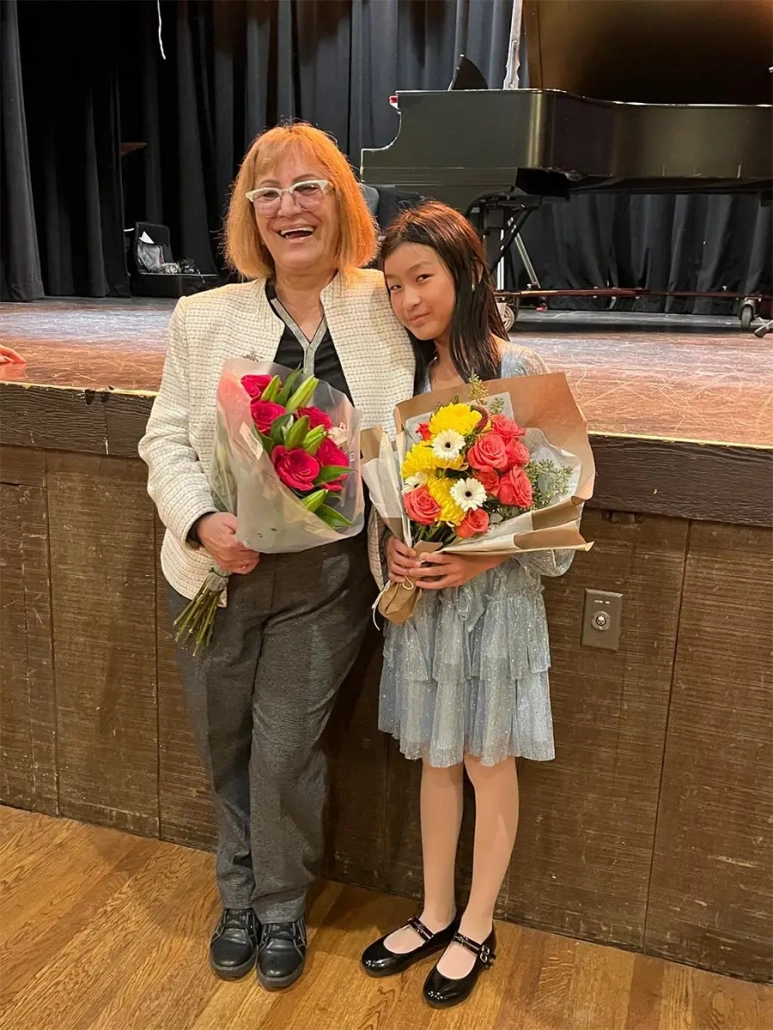
While learning an instrument teaches specific musical skills, its long-term impact reaches much further. Students develop habits, mindsets, and emotional skills that influence how they approach learning and growth in general.
They learn how to set goals, manage their time, and take pride in their progress. They also gain an appreciation for the arts and the effort behind any form of mastery.
A Strong Foundation for the Future
Starting music at a young age is not just about getting ahead—it is about building a strong foundation. The lessons learned through music continue to shape students as they grow, helping them become confident, focused, and resilient individuals.
Whether a child continues with music for many years or simply carries the experience with them, the benefits remain. Early music education plants seeds that grow over time, supporting not only musical development, but personal growth as well.
For families considering music lessons, it is worth remembering that the value lies not only in what children learn today, but in who they become tomorrow.